Ask the SI:
24 experiments on fire without gravity
Show me24 experiments
Built for spacecraft fire safety
9 experiments
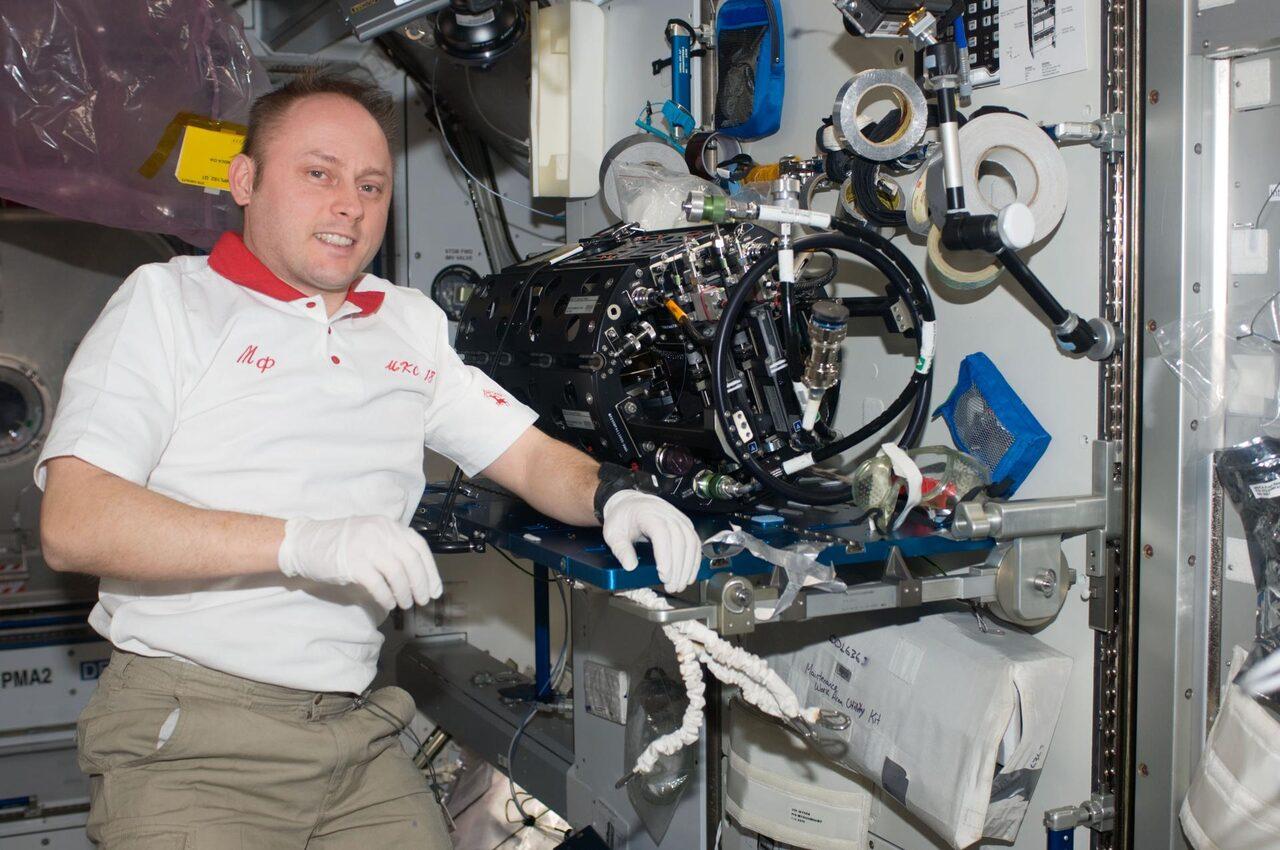 FLEXFlame Extinguishment ExperimentBurned single fuel droplets in atmospheres diluted with carbon dioxide or helium to map where flames can no longer survive.Liquid fuel276 tests
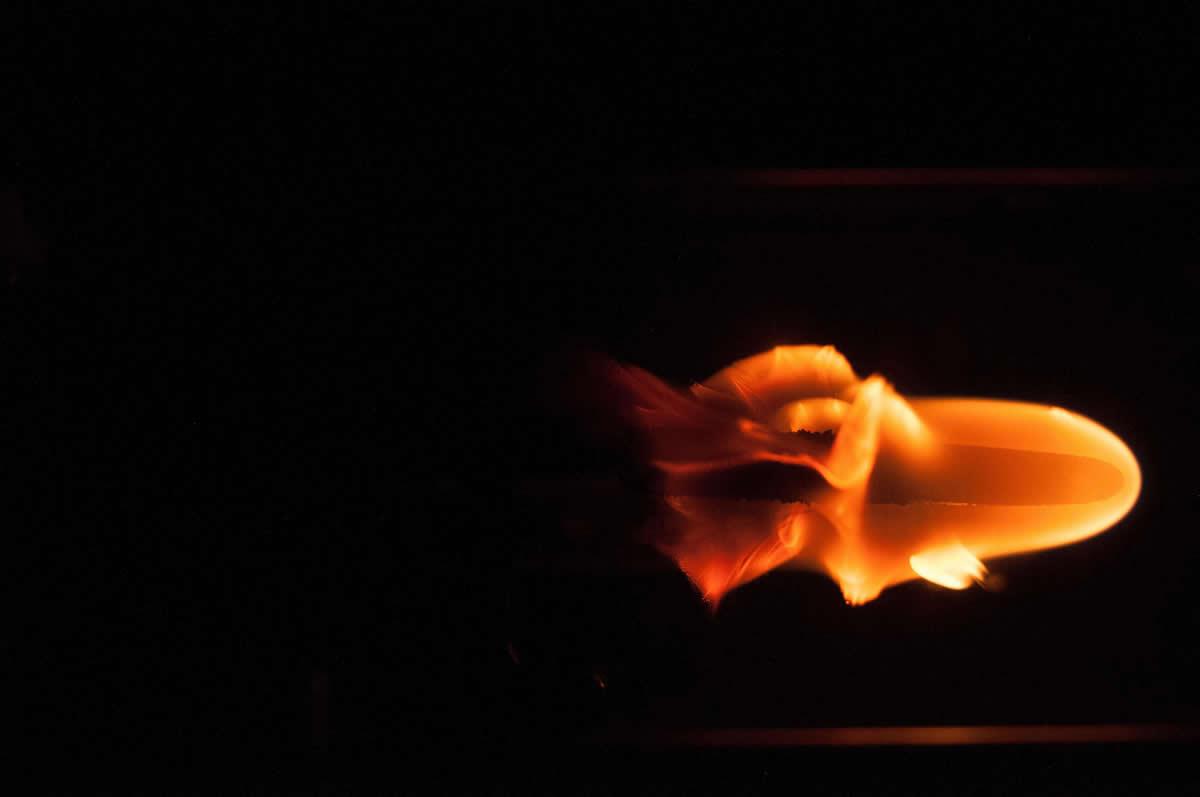 BASS-IIBurning and Suppression of Solids - IIMapped ignition, flame spread and extinction limits of rods, slabs, films and fabric as oxygen was lowered and airflow changed.Solid materials129 tests
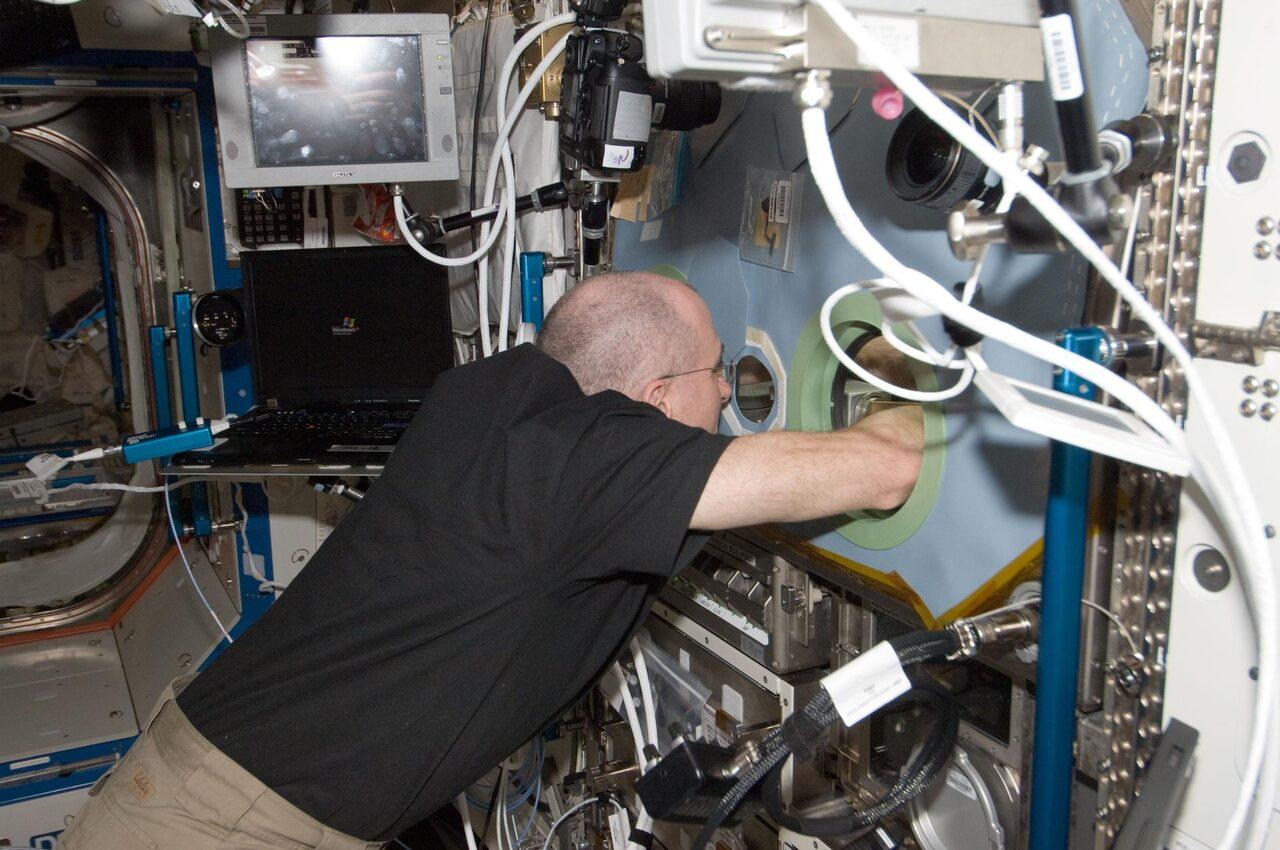 BASSBurning and Suppression of SolidsBurned small solid samples in a fan-driven duct to see how real materials burn without gravity, and whether a nitrogen jet puts them out.Solid materials121 tests
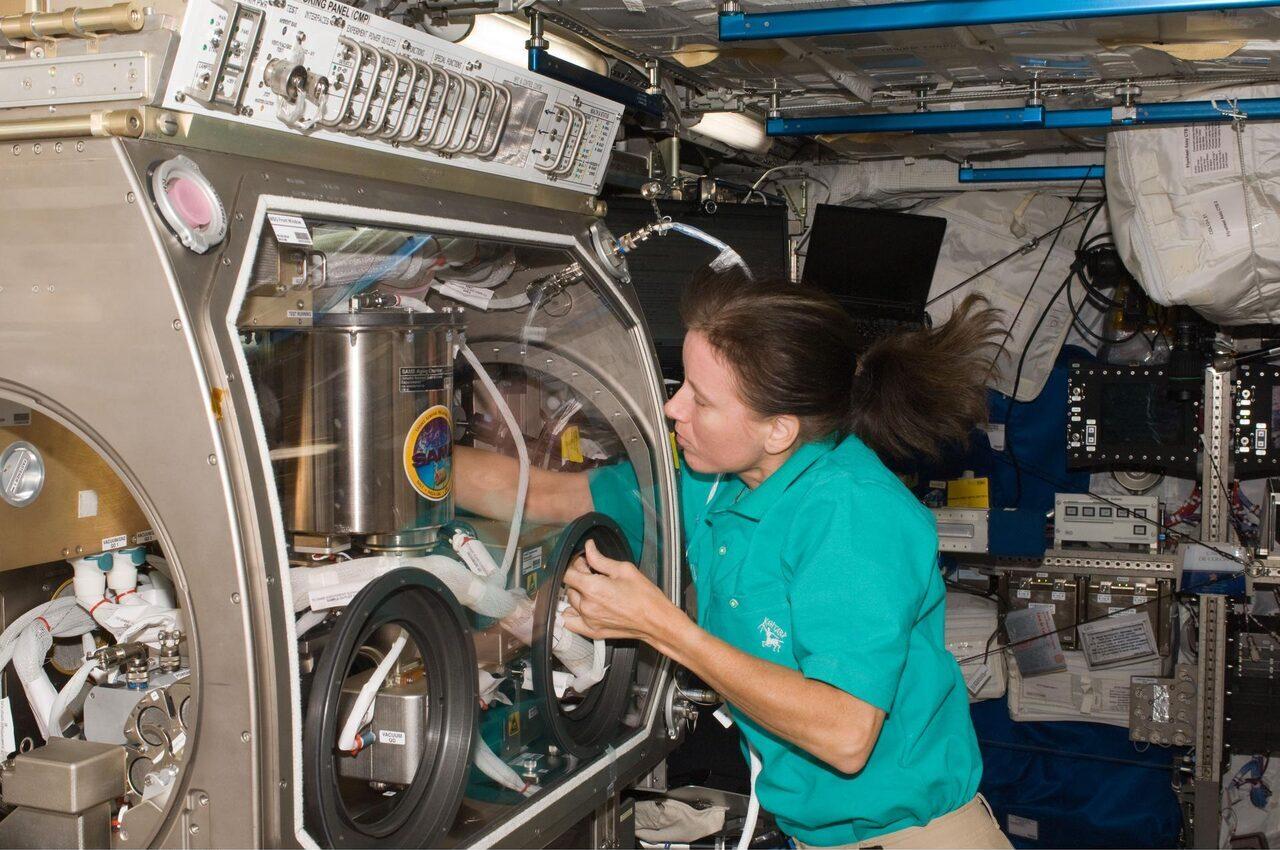 SAME-RSmoke Aerosol Measurement Experiment - ReflightRe-flew SAME with a new foam material, hotter and no-flow heating, and a better particle instrument.Solid materials109 tests
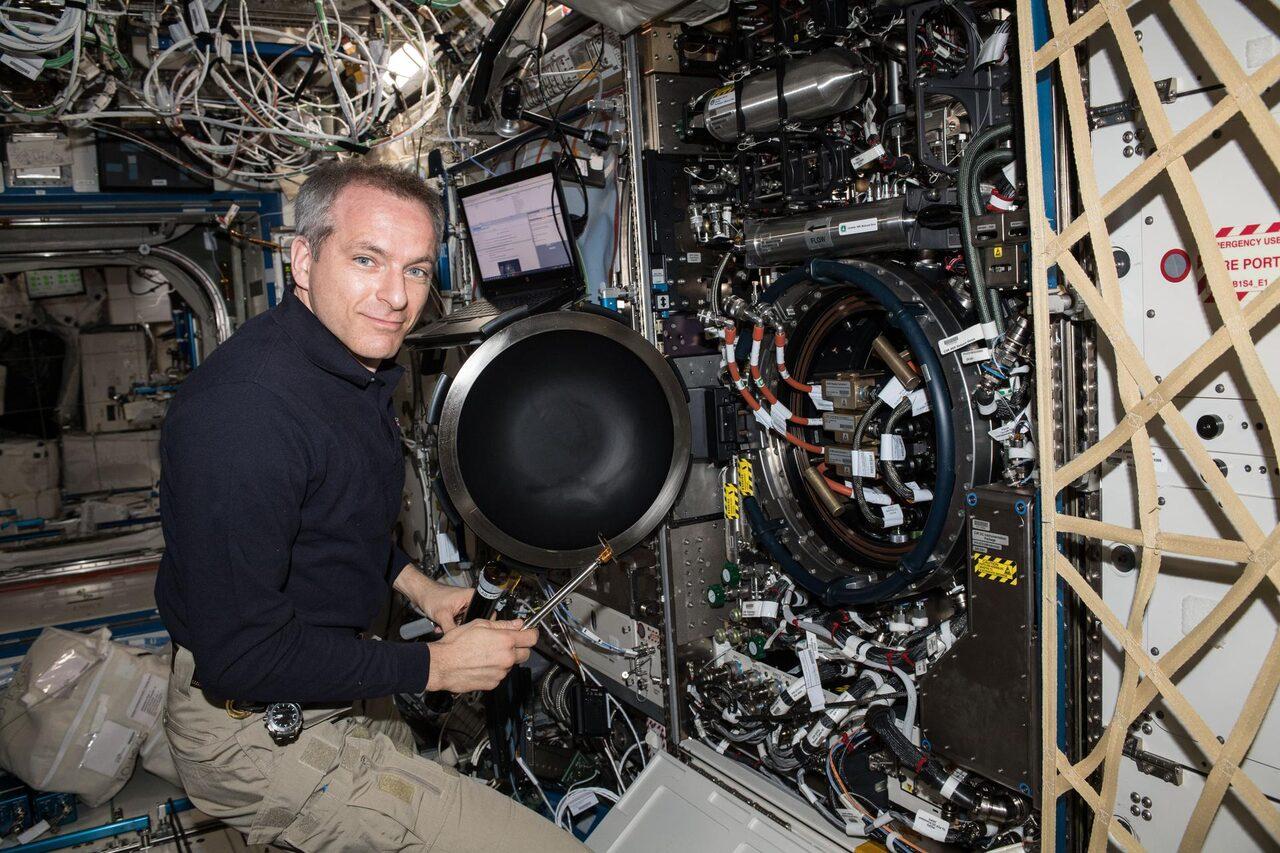 BREBurning Rate EmulatorUsed a gas burner to imitate burning solids, and tested it in still air at the very atmospheres NASA is considering for exploration.Gas18 test days
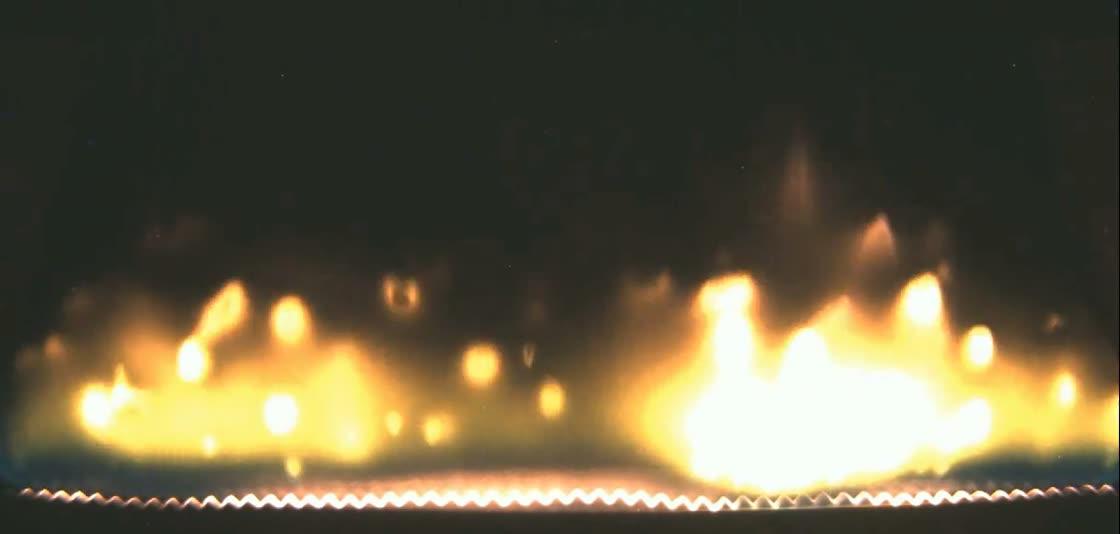 Saffire-IISpacecraft Fire Experiment - IIBurned nine smaller samples - silicone, cotton-fiberglass, acrylic and Nomex - and compared each with the same material at normal gravity.Solid materials9 tests
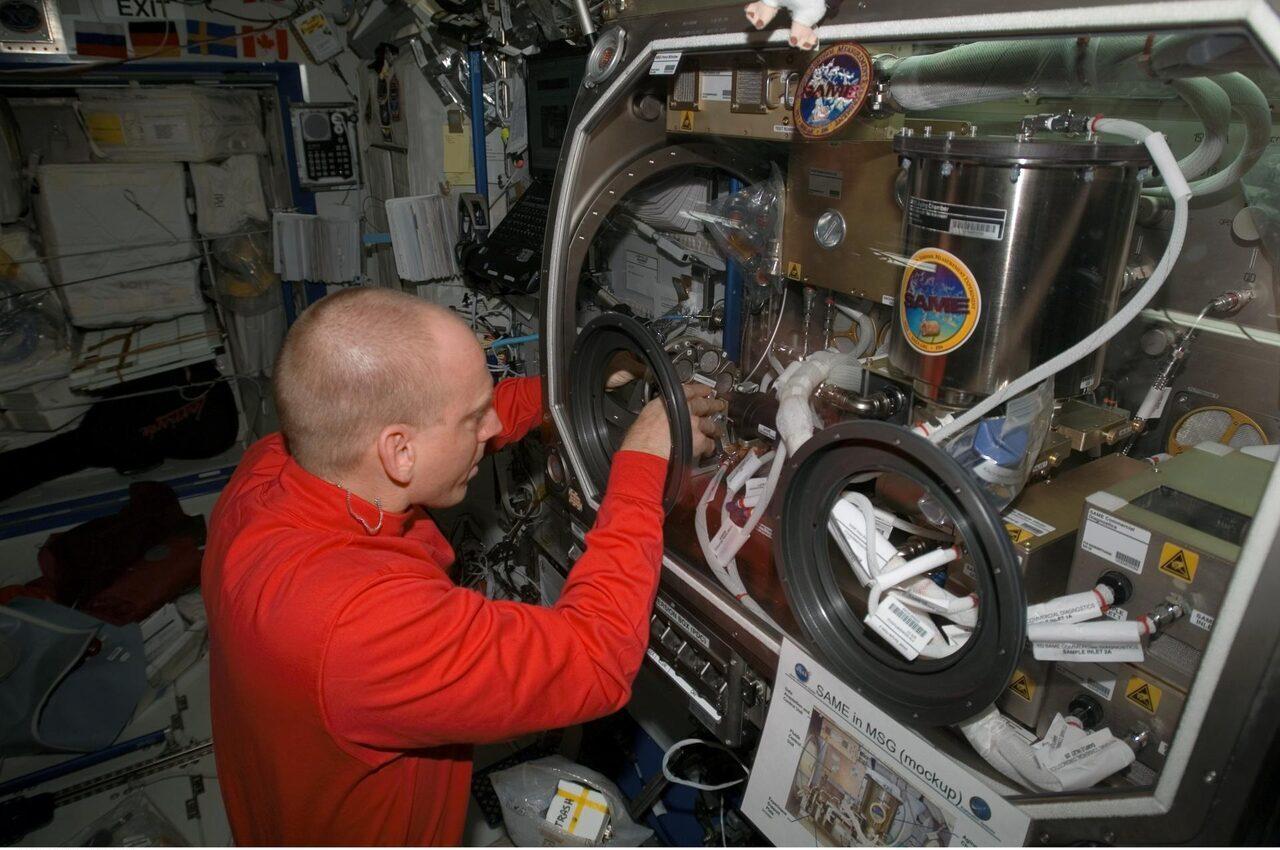 SAMESmoke and Aerosol Measurement ExperimentHeated common spacecraft materials until they smoked and measured the particles, to learn what a smoke detector must sense in space.Solid materials8 table rows
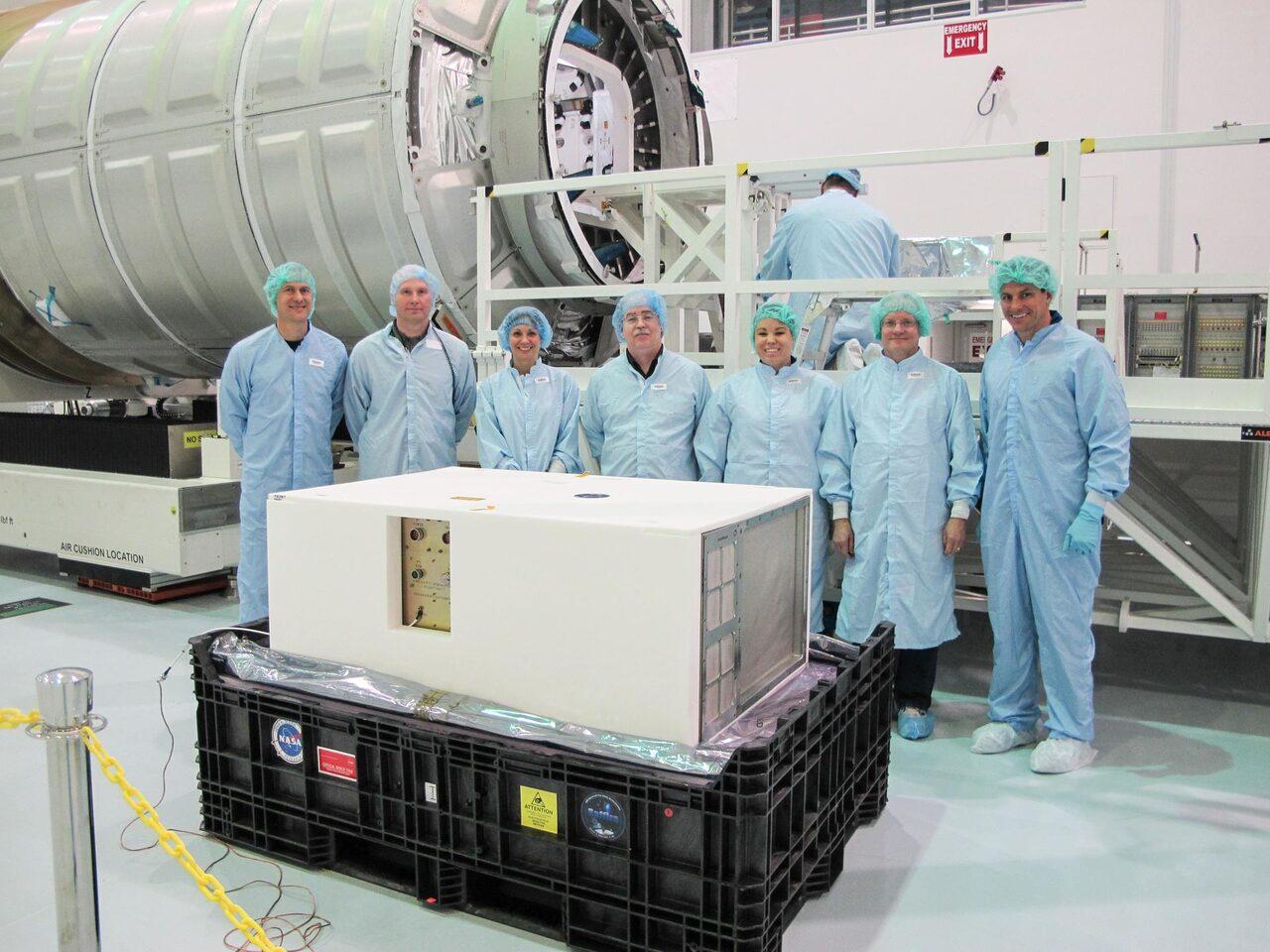 Saffire-ISpacecraft Fire Safety Experiment - ILit a metre-long sheet of cotton-fiberglass fabric inside an uncrewed Cygnus cargo ship to see how a large fire grows in low gravity.Solid materials2 tests
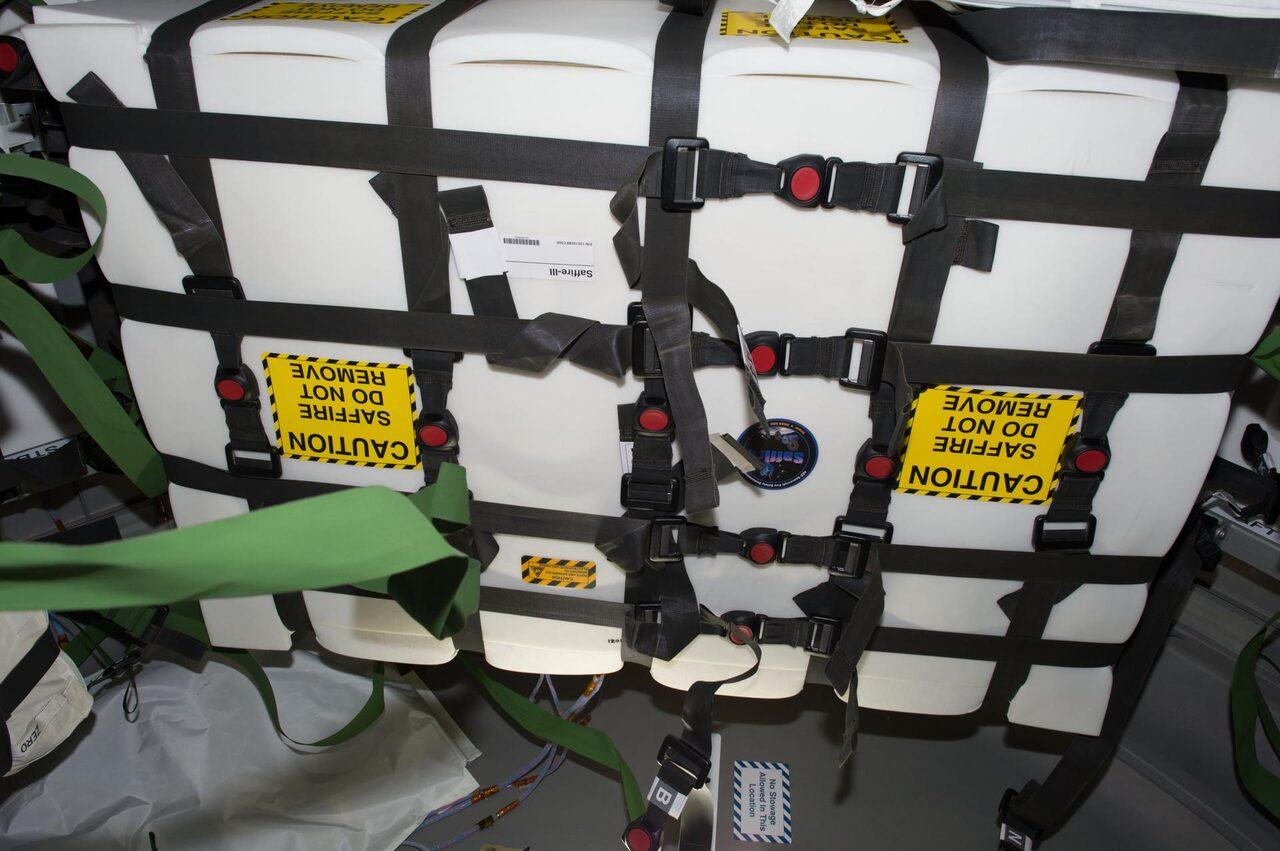 Saffire-IIISpacecraft Fire Experiment - IIIRepeated the large-fabric burn of Saffire-I at a higher airflow, 30 cm/s instead of 20 cm/s.Solid materials2 tests
Support fire safety
9 experiments
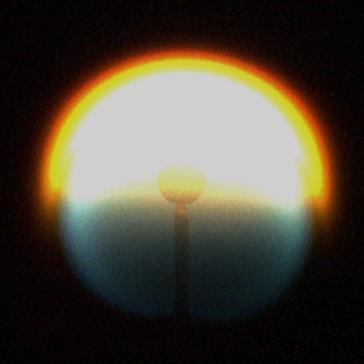 CFI-GCool Flames Investigation with GasesFound the conditions under which gas-fed spherical flames turn into cool flames, including the highest-oxygen tests in PSI.Gas333 tests
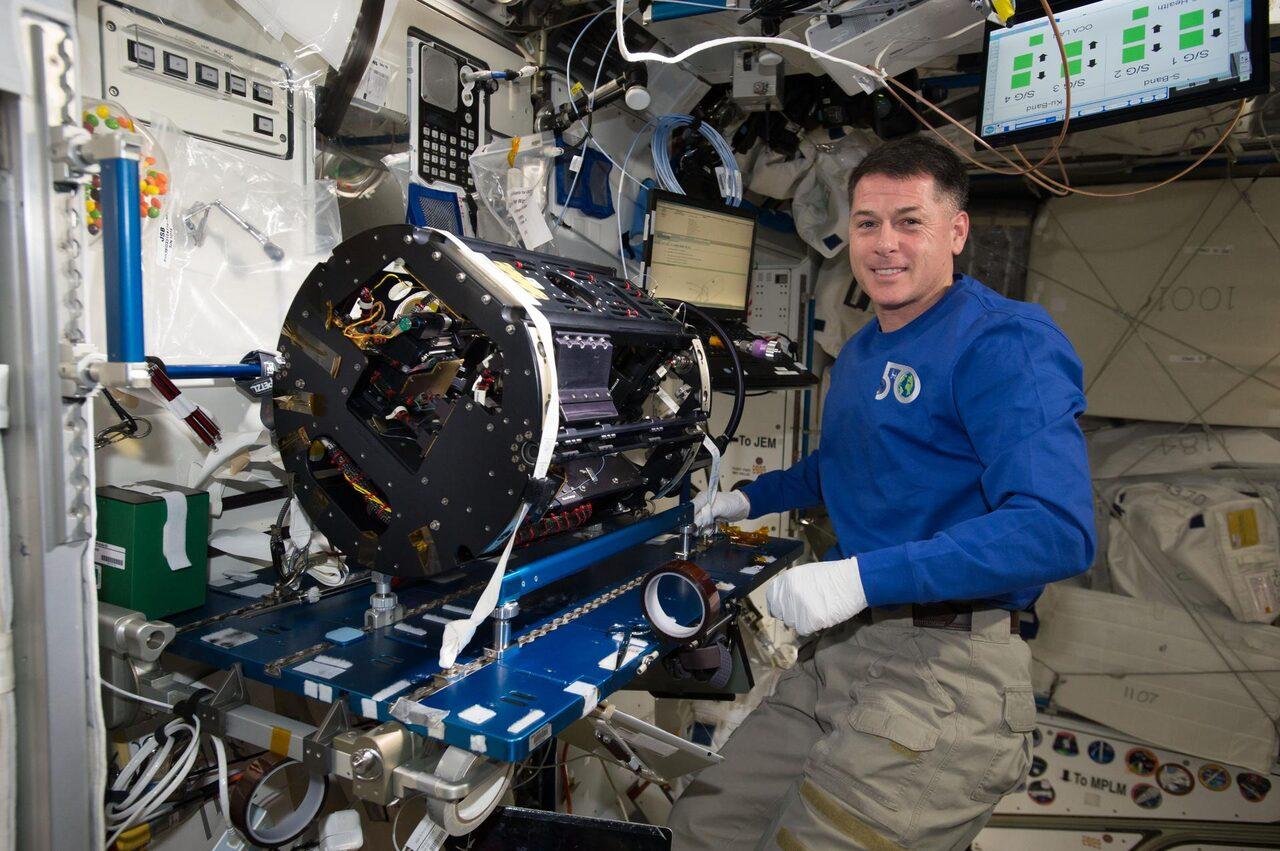 CFICool Flames InvestigationStudied the faint, low-temperature "cool flames" that keep a droplet burning after its visible flame has gone out.Liquid fuel235 tests
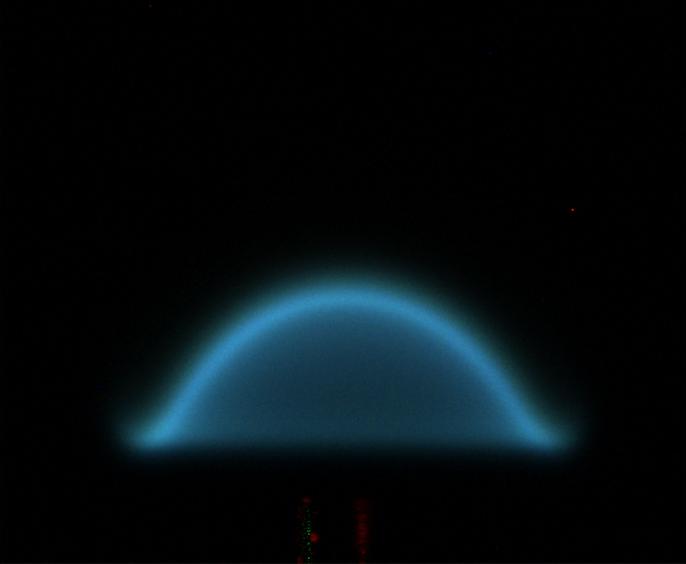 E-FIELD FlamesApplied a high-voltage field to small gas flames; the resulting ion wind reshapes a flame much as weak gravity would.Gas21 test days
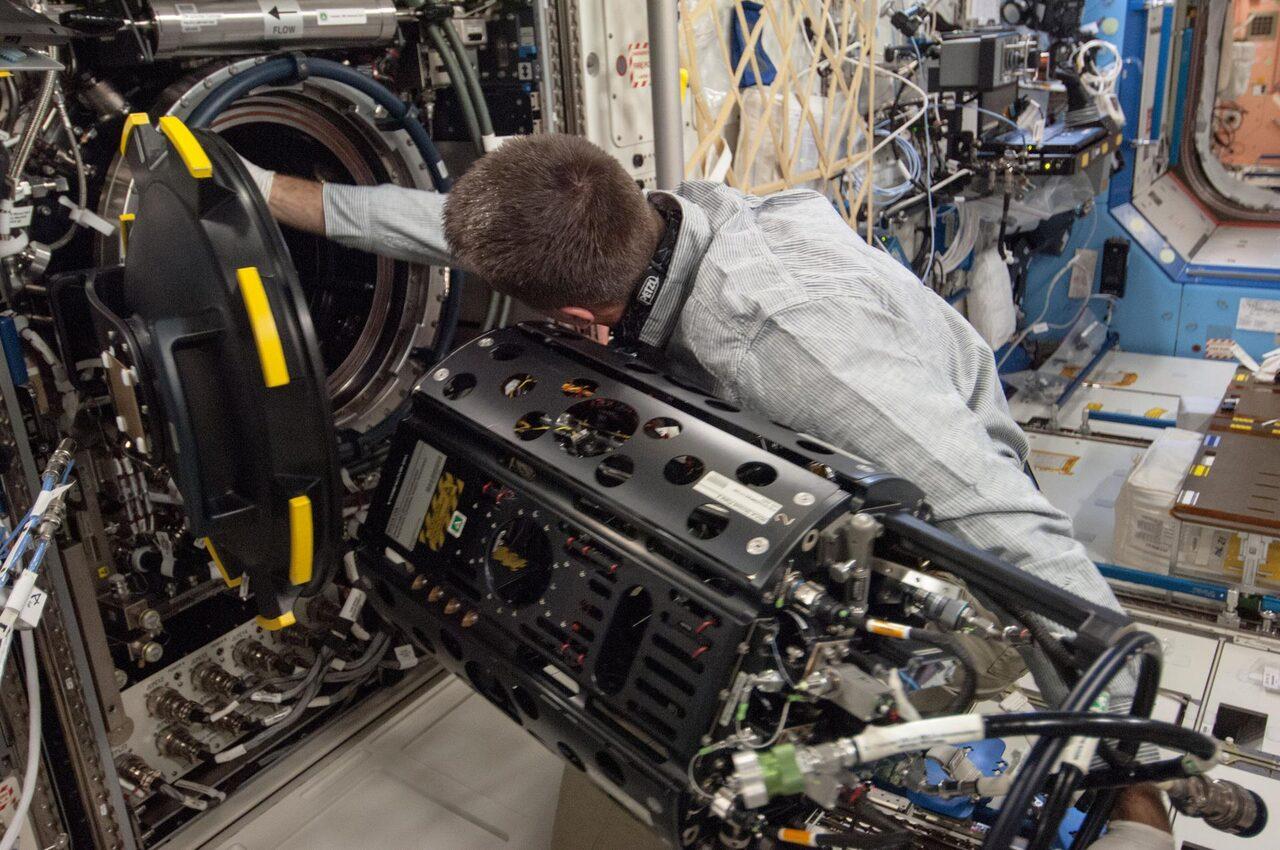 FLEX-2Flame Extinguishment Experiment - 2Extended FLEX to more fuels, two-component droplets and wider oxygen and pressure ranges.Liquid fuel8 table rowsCool-flame transitionsLaboratory and numerical follow-up to FLEX that charts when a hot flame becomes a cool flame and when each goes out.Gas and Liquid fuel8 table rows
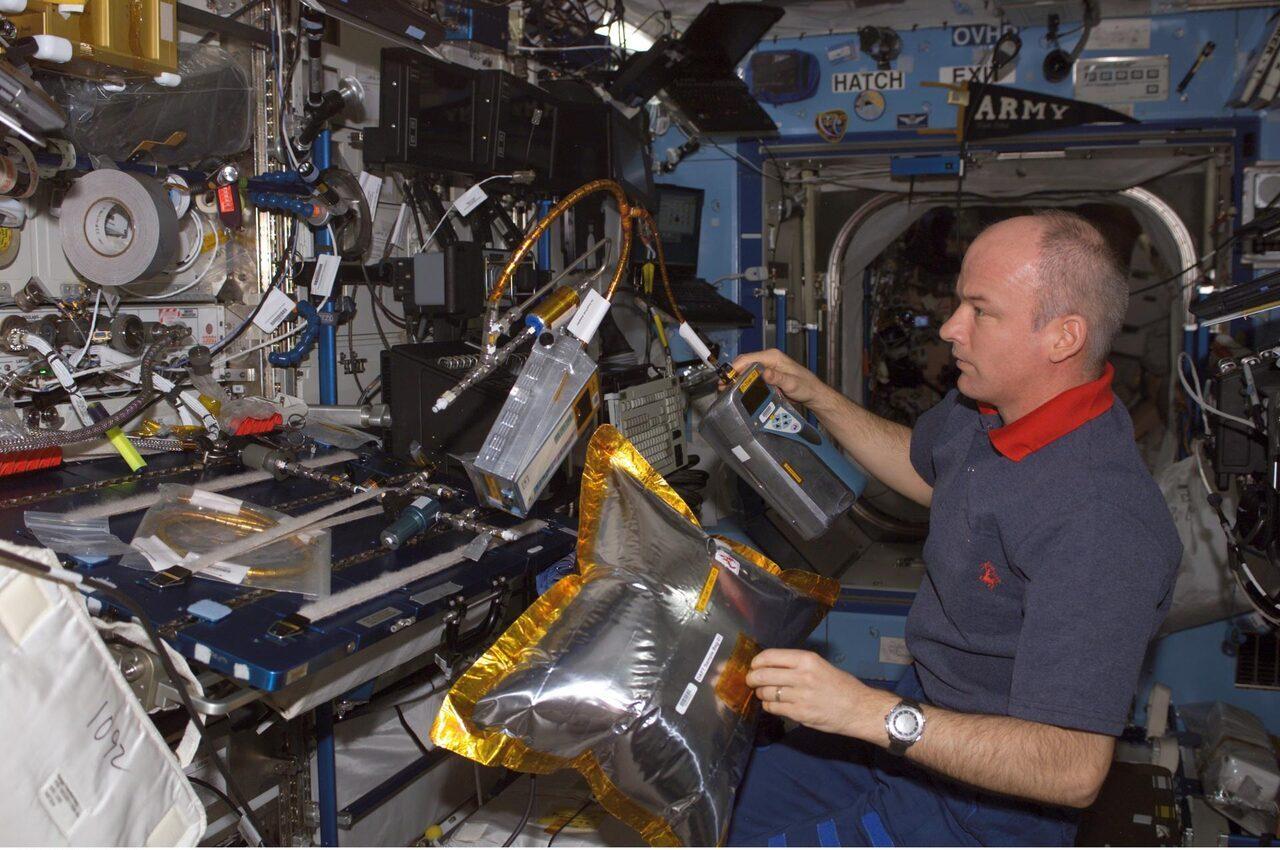 DAFTDust and Aerosol Measurement Feasibility TestChecked that a commercial particle counter still works without gravity, so that the SAME smoke measurements could be trusted.Nothing was burned2 test daysBASS flame-spread modellingUsed BASS and BASS-II imagery from PSI to build and check a model that predicts flame spread over solids in microgravity.Solid materialsno test tableSAME smoke modellingSimulated how smoke particles form and grow with and without gravity, using the SAME experiment as its reference case.Solid materialsno test tableCool-flame CFDSimulated FLEX droplets to show how small drifts and heating decide whether a cool flame persists, re-ignites or dies.Liquid fuelno test table
Basic flame science
6 experiments
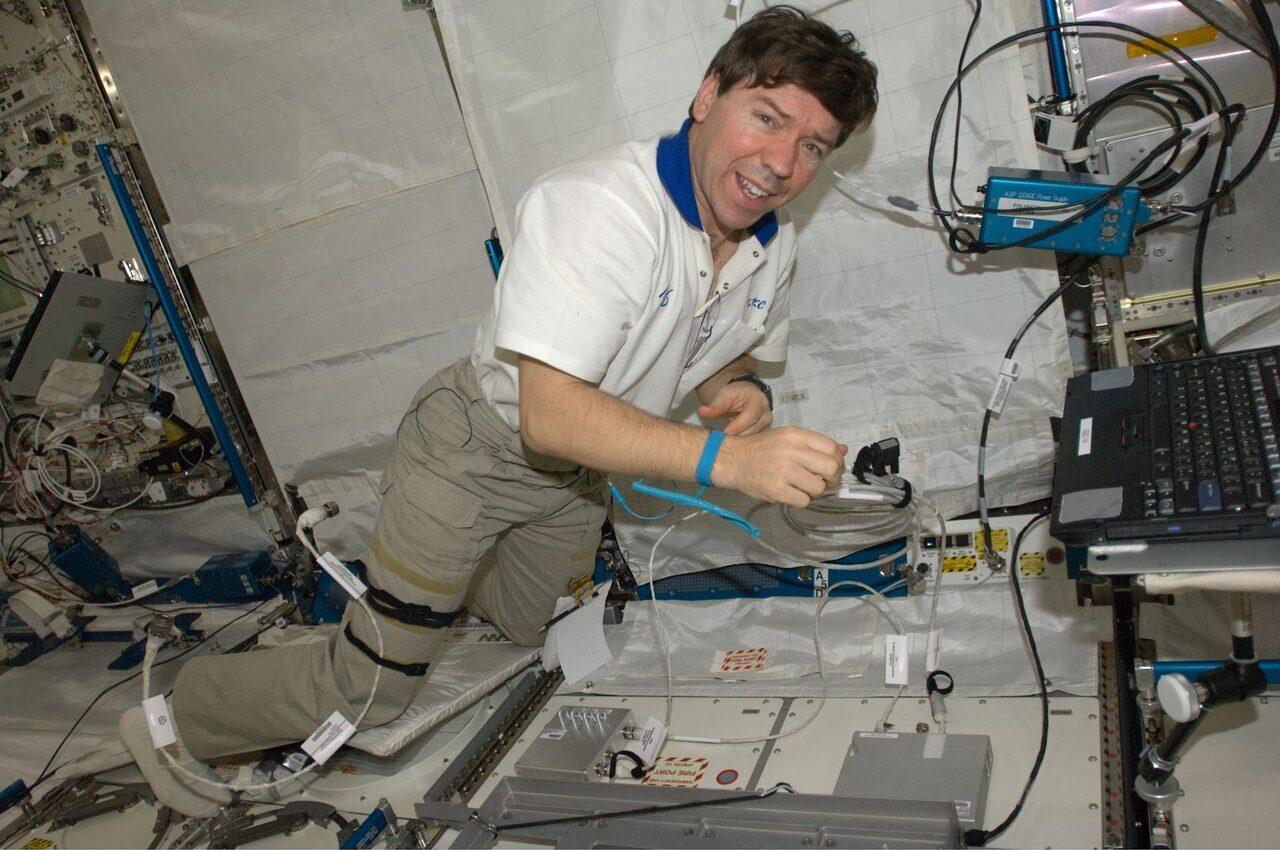 SPICESmoke Point In Co-flow ExperimentMeasured the point at which a jet flame starts releasing soot, across fuels, nozzle sizes and airflow.Gas469 tests
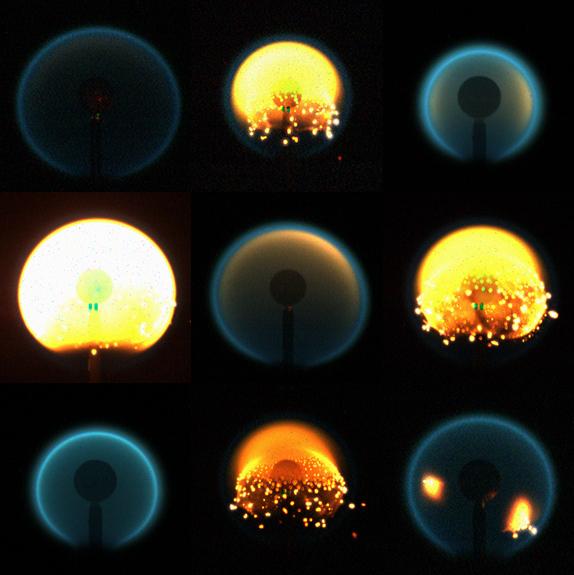 Flame DesignMeasured when spherical gas flames start to make soot and when they go out, for both normal and inside-out flames.Gas327 tests
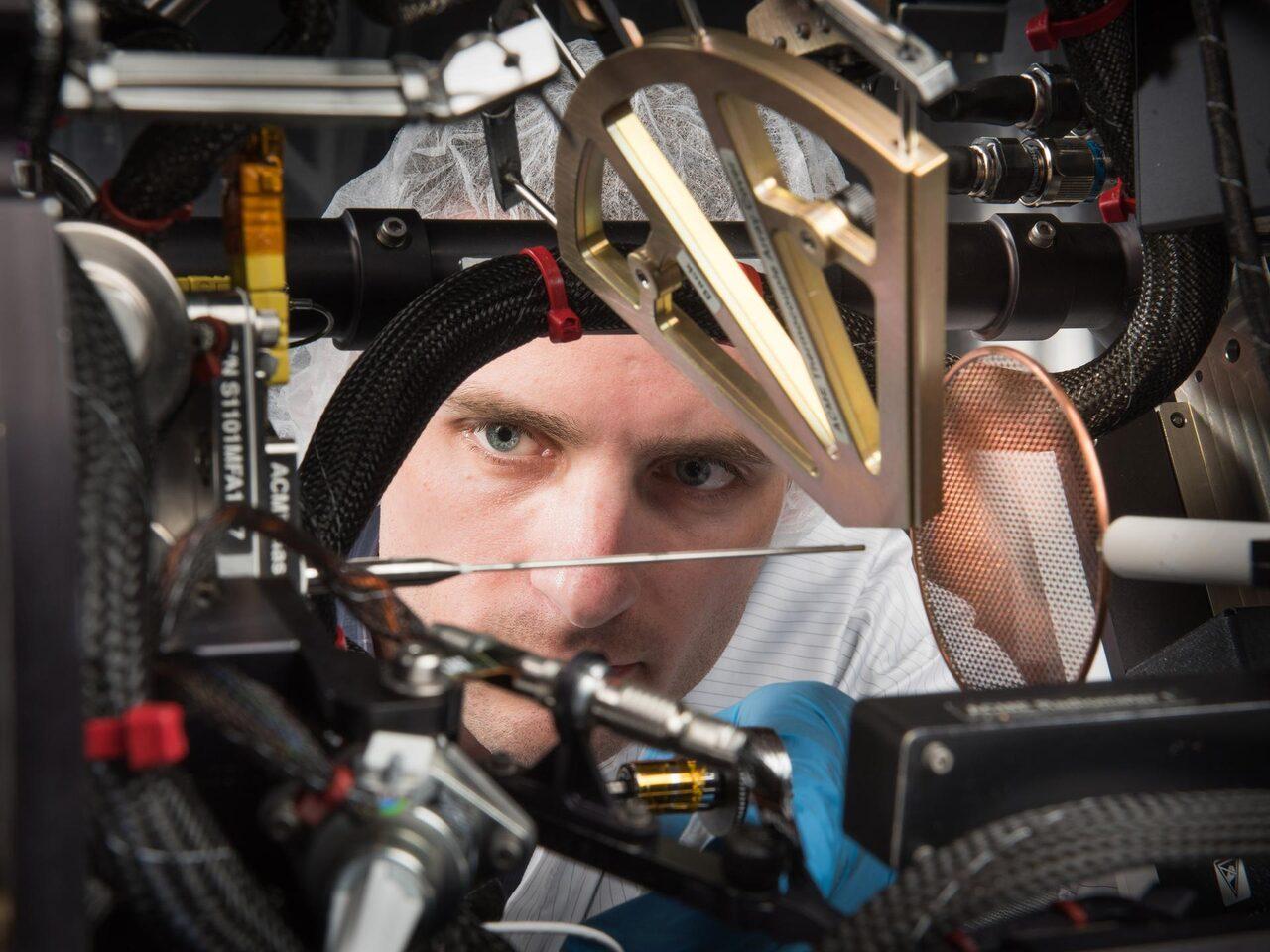 CLD FlameCoflow Laminar Diffusion FlamePushed methane and ethylene jet flames to their dilute and sooty extremes to give modellers benchmark data.Gas32 test days
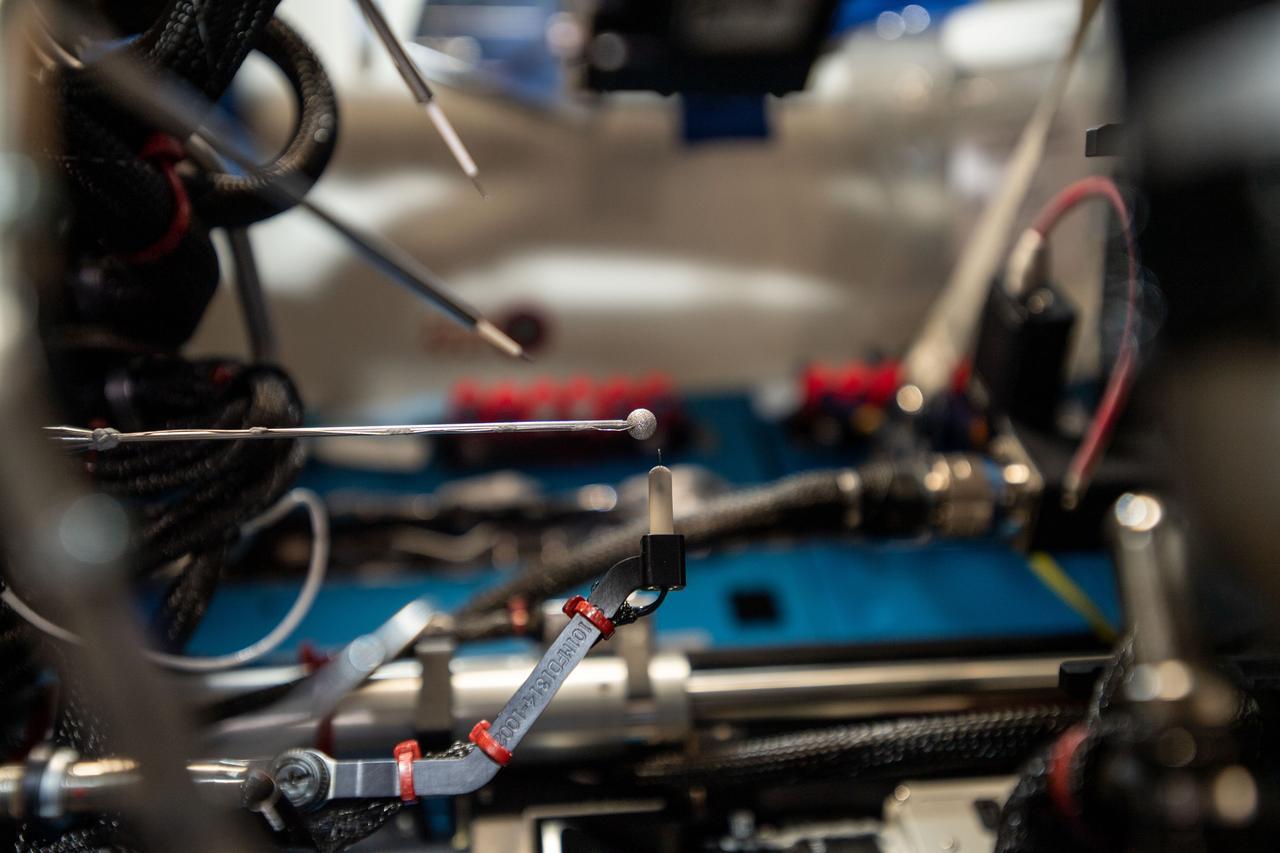 s-FlameCreated one-dimensional spherical flames of hydrogen, methane and ethylene to test detailed chemistry and extinction models.Gas18 test days
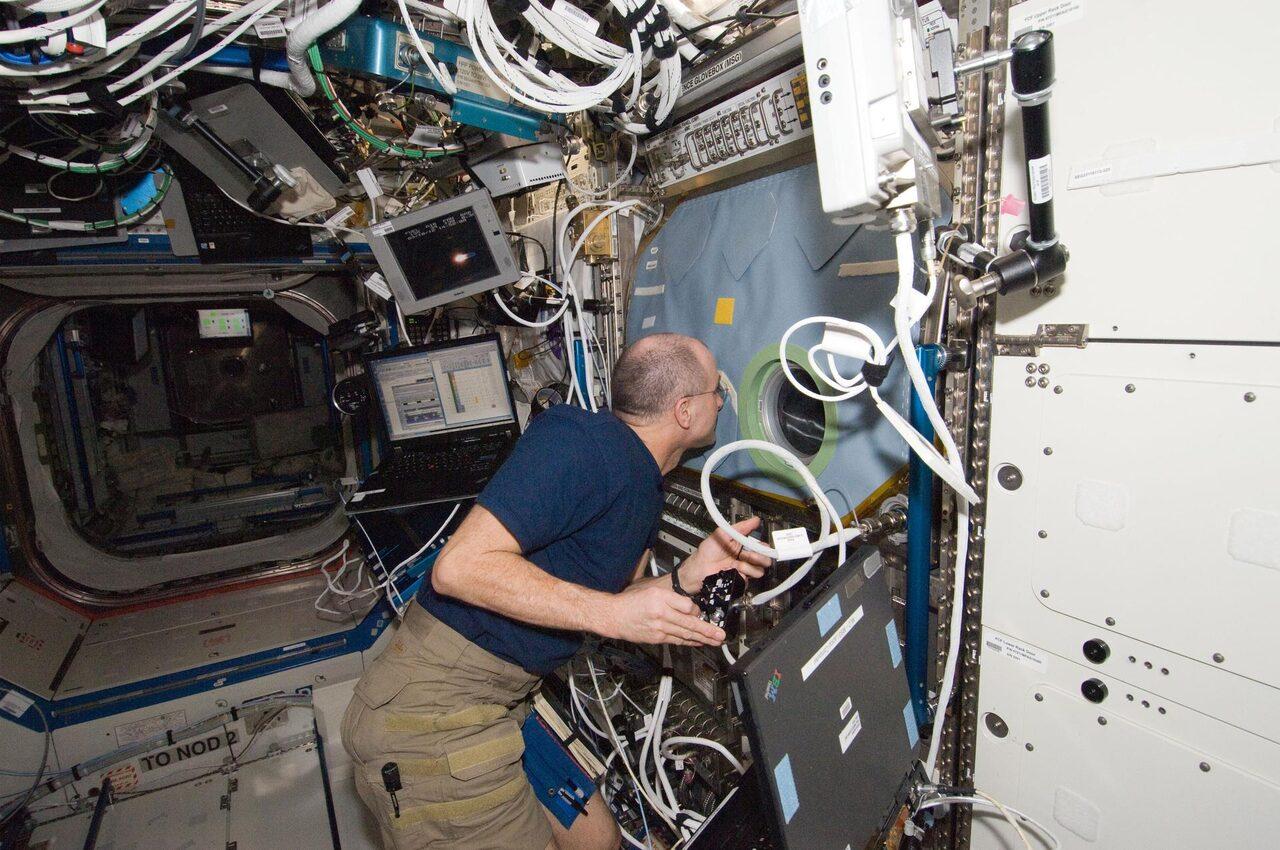 SLICEStructure and Liftoff In Combustion ExperimentFound the airflow at which small jet flames lift off their burner and blow out.Gas12 test daysSPICE soot analysisRe-analysed more than 1,600 SPICE photographs to extract soot temperatures and compare soot formation with and without gravity.Gasno test table
New to this? Ten words, explained
- Investigation
- One experiment campaign in NASA's archive. There are 24 about combustion.
- Microgravity
- The near-weightlessness of orbit. Everything is in free fall, so hot gas does not rise.
- Fuel
- What was burned: a solid (fabric, plastic), a liquid (one droplet) or a gas fed through a burner.
- Oxygen concentration
- The share of the air that is oxygen. On Earth it is 21%. A Moon habitat is expected to hold 30% or more.
- Pressure
- How tightly the air is packed. Sea level is 101 kPa (14.7 psi). A spacesuit runs at 4.3 psi.
- Airflow
- Air moved by a fan. In orbit a flame depends on it to bring fresh oxygen.
- Extinction
- The flame goes out by itself, with fuel still left.
- Flammability limit
- The edge between conditions where a material will burn and where it will not.
- Diluent
- A gas added to the air that does not burn, such as nitrogen, carbon dioxide or helium.
- CIR and MSG
- Two test facilities on the space station: the Combustion Integrated Rack and the Microgravity Science Glovebox.