Experiments / Smoke diagnostics
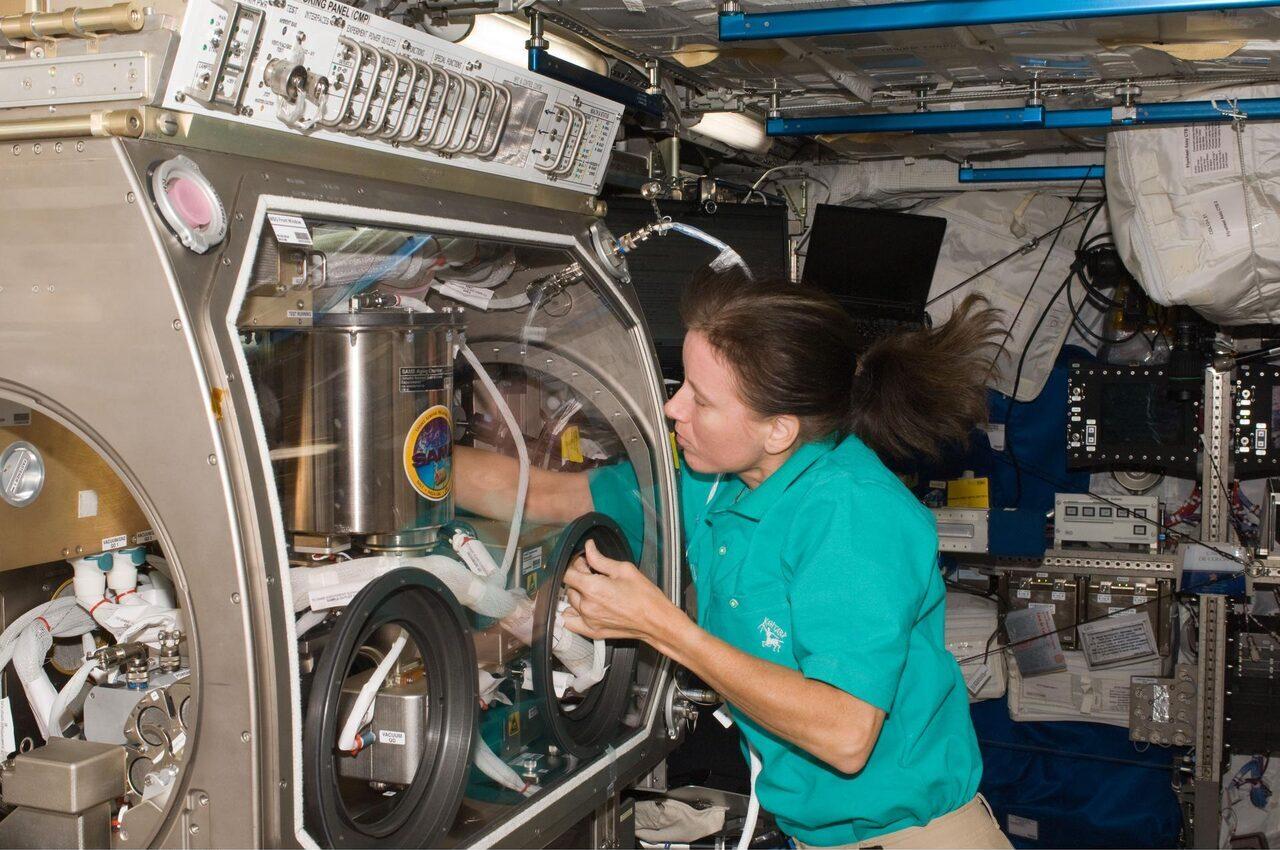
SAME-RA spacecraft fire-safety study
Smoke Aerosol Measurement Experiment - Reflight
Re-flew SAME with a new foam material, hotter and no-flow heating, and a better particle instrument.
What burned
Solid materials
Wire insulation, silicone, cotton wick and 1 more
Where
On the space station
In orbit, where everything is weightless
How much data
109 tests
Each one is a row in NASA's table
What they changed between tests
- sample material
- airflow
- heating temperature
- smoke aging time
What it found
- 1 of 2
SAME-R added tests with no airflow while the sample was heated - the case closest to a stagnant corner of a cabin.
NASA's words
“test conditions were broadened including higher heating temperatures and no-flow during sample heating time” PSI record
- 2 of 2
The first flight's particle samples were contaminated, which is why the reflight exists.
NASA's words
“all the TEM grids were severely contaminated with some unidentified foreign particles” PSI record
Summarized by the SI. Each summary is tied to a quotation that the build checks against NASA's text. A matching quote is not a scientific review.
What it helps with
Stopping a fire from starting
Which materials burn, and in what air
Not an aim
Noticing a fire early
What smoke looks like to a detector
A main aim
Putting a fire out
What makes a flame go out
Not an aim
For researchers: NASA's full recordThe conditions tested, every row of the table, NASA's description, publications and hardware
Shared hardware: Particle counters and smoke detectors; one of the instruments was first proven in a dust test. Experiments that shared hardware share its limits, so their results can be compared directly.
Why it counts as fire-safety research
“Fire detection was tested in microgravity through the Smoke and Aerosol Measurement Experiment studies (SAME and SAME-R).” NASA challenge statement
NASA's words behind each rating
- Prevention0 of 3
Not an aim of this investigation.
- Detection3 of 3
“the results from SAME-R can lead to technology for an advanced fire detector for future spacecraft that will be used for long duration missions”
- Suppression0 of 3
Not an aim of this investigation.
Conditions covered
- Oxygen in the atmosphere
- not reported
- airMoon
- not in the PSI table
- Pressure
- not reported
- Moonsea level
- not in the PSI table
- Flow speed
- 0 to 8.1 cm/s
- Itemized rows
- 109
- 109 tests
Fuels and materials
Kapton (29), Silicone (22), Lamp wick (20), Pyrell foam (20), Teflon (18)
Measurements named in the PSI record
- Particle sizing
- Aerosol counters
How the tests differ, and how they are the same
Worked out from the 109 rows of the PSI table. A variable that is not listed was not reported, which is different from being held fixed.
Changed from test to test
- Flow speed
- 0 cm/s to 8.1 cm/s
- Fuel or material
- 5 different values
- Heater resistance ratio
- 1.22 to 1.48
- Heating time
- 60 s to 120 sreported in 68 of 109 rows
- Smoke aging time
- 21 s to 1,923 sreported in 104 of 109 rows
- Smoke count mean diameter
- 0.049 µm to 1.1 µmreported in 105 of 109 rows
- Smoke diameter of average mass
- 0.0305 µm to 1.22 µmreported in 105 of 109 rows
The same in every test
- Fuel phase
- solid
- Geometry
- heated sample (smoke source)
Rows from the PSI table
Click a row for the source of every value. Filter and export
| Record | Type | Fuel or material | Shape | Oxygen | Pressure | Flow, cm/s | Outcome | Date |
|---|---|---|---|---|---|---|---|---|
| Test 51 | Test | Kapton | heated sample (smoke source) | not reported | not reported | 8.1 | ||
| Test 51a | Test | Kapton | heated sample (smoke source) | not reported | not reported | 8.1 | ||
| Test 61 | Test | Kapton | heated sample (smoke source) | not reported | not reported | 8.1 | ||
| Test 61a | Test | Kapton | heated sample (smoke source) | not reported | not reported | 8.1 | ||
| Test 62 | Test | Kapton | heated sample (smoke source) | not reported | not reported | 8.1 | ||
| Test 62a | Test | Kapton | heated sample (smoke source) | not reported | not reported | 8.1 | ||
| Test 70 | Test | Kapton | heated sample (smoke source) | not reported | not reported | 8.1 | ||
| Test 73 | Test | Kapton | heated sample (smoke source) | not reported | not reported | 8.1 | ||
| Test 73a | Test | Kapton | heated sample (smoke source) | not reported | not reported | 8.1 | ||
| Test 75 | Test | Kapton | heated sample (smoke source) | not reported | not reported | 8.1 | ||
| Test 75a | Test | Kapton | heated sample (smoke source) | not reported | not reported | 8.1 | ||
| Test 77 | Test | Kapton | heated sample (smoke source) | not reported | not reported | 8.1 | ||
| Test 77a | Test | Kapton | heated sample (smoke source) | not reported | not reported | 8.1 | ||
| Test 85 | Test | Kapton | heated sample (smoke source) | not reported | not reported | 8.1 | ||
| Test 85a | Test | Kapton | heated sample (smoke source) | not reported | not reported | 8.1 | ||
| Test 90 | Test | Kapton | heated sample (smoke source) | not reported | not reported | 8.1 | ||
| Test 90a | Test | Kapton | heated sample (smoke source) | not reported | not reported | 8.1 | ||
| Test 92 | Test | Kapton | heated sample (smoke source) | not reported | not reported | 8.1 | ||
| Test 93 | Test | Kapton | heated sample (smoke source) | not reported | not reported | 8.1 | ||
| Test 93a | Test | Kapton | heated sample (smoke source) | not reported | not reported | 8.1 | ||
| Test 94 | Test | Kapton | heated sample (smoke source) | not reported | not reported | 8.1 | ||
| Test 94a | Test | Kapton | heated sample (smoke source) | not reported | not reported | 8.1 | ||
| Test 101 | Test | Kapton | heated sample (smoke source) | not reported | not reported | 0 | ||
| Test 101a | Test | Kapton | heated sample (smoke source) | not reported | not reported | 0 | ||
| Test 102 | Test | Kapton | heated sample (smoke source) | not reported | not reported | 0 | ||
| Test 102a | Test | Kapton | heated sample (smoke source) | not reported | not reported | 0 | ||
| Test 108 | Test | Kapton | heated sample (smoke source) | not reported | not reported | 1 | ||
| Test 108a | Test | Kapton | heated sample (smoke source) | not reported | not reported | 1 | ||
| Test 114 | Test | Kapton | heated sample (smoke source) | not reported | not reported | 2 | ||
| Test 48 | Test | Silicone | heated sample (smoke source) | not reported | not reported | 8 | ||
| Test 53 | Test | Silicone | heated sample (smoke source) | not reported | not reported | 8.1 | ||
| Test 59 | Test | Silicone | heated sample (smoke source) | not reported | not reported | 8.1 | ||
| Test 59a | Test | Silicone | heated sample (smoke source) | not reported | not reported | 8.1 | ||
| Test 60 | Test | Silicone | heated sample (smoke source) | not reported | not reported | 8.1 | ||
| Test 60a | Test | Silicone | heated sample (smoke source) | not reported | not reported | 8.1 | ||
| Test 65 | Test | Silicone | heated sample (smoke source) | not reported | not reported | 8.1 | ||
| Test 65a | Test | Silicone | heated sample (smoke source) | not reported | not reported | 8.1 | ||
| Test 66 | Test | Silicone | heated sample (smoke source) | not reported | not reported | 8.1 | ||
| Test 66a | Test | Silicone | heated sample (smoke source) | not reported | not reported | 8.1 | ||
| Test 67 | Test | Silicone | heated sample (smoke source) | not reported | not reported | 8.1 | ||
| Test 72 | Test | Silicone | heated sample (smoke source) | not reported | not reported | 8.1 | ||
| Test 86 | Test | Silicone | heated sample (smoke source) | not reported | not reported | 8.1 | ||
| Test 86a | Test | Silicone | heated sample (smoke source) | not reported | not reported | 8.1 | ||
| Test 91 | Test | Silicone | heated sample (smoke source) | not reported | not reported | 8.1 | ||
| Test 99 | Test | Silicone | heated sample (smoke source) | not reported | not reported | 0 | ||
| Test 99a | Test | Silicone | heated sample (smoke source) | not reported | not reported | 0 | ||
| Test 103 | Test | Silicone | heated sample (smoke source) | not reported | not reported | 1 | ||
| Test 103a | Test | Silicone | heated sample (smoke source) | not reported | not reported | 1 | ||
| Test 104 | Test | Silicone | heated sample (smoke source) | not reported | not reported | 0 | ||
| Test 104a | Test | Silicone | heated sample (smoke source) | not reported | not reported | 0 | ||
| Test 109 | Test | Silicone | heated sample (smoke source) | not reported | not reported | 2 | ||
| Test 49 | Test | Lamp wick | heated sample (smoke source) | not reported | not reported | 8 | ||
| Test 54 | Test | Lamp wick | heated sample (smoke source) | not reported | not reported | 8.1 | ||
| Test 55 | Test | Lamp wick | heated sample (smoke source) | not reported | not reported | 8.1 | ||
| Test 55a | Test | Lamp wick | heated sample (smoke source) | not reported | not reported | 8.1 | ||
| Test 57 | Test | Lamp wick | heated sample (smoke source) | not reported | not reported | 8.1 | ||
| Test 68 | Test | Lamp wick | heated sample (smoke source) | not reported | not reported | 8.1 | ||
| Test 78 | Test | Lamp wick | heated sample (smoke source) | not reported | not reported | 8.1 | ||
| Test 78a | Test | Lamp wick | heated sample (smoke source) | not reported | not reported | 8.1 | ||
| Test 80 | Test | Lamp wick | heated sample (smoke source) | not reported | not reported | 8.1 | ||
| Test 80a | Test | Lamp wick | heated sample (smoke source) | not reported | not reported | 8.1 | ||
| Test 82 | Test | Lamp wick | heated sample (smoke source) | not reported | not reported | 8.1 | ||
| Test 82a | Test | Lamp wick | heated sample (smoke source) | not reported | not reported | 8.1 | ||
| Test 88 | Test | Lamp wick | heated sample (smoke source) | not reported | not reported | 8.1 | ||
| Test 96 | Test | Lamp wick | heated sample (smoke source) | not reported | not reported | 0 | ||
| Test 96a | Test | Lamp wick | heated sample (smoke source) | not reported | not reported | 0 | ||
| Test 98 | Test | Lamp wick | heated sample (smoke source) | not reported | not reported | 0 | ||
| Test 98a | Test | Lamp wick | heated sample (smoke source) | not reported | not reported | 0 | ||
| Test 106 | Test | Lamp wick | heated sample (smoke source) | not reported | not reported | 0 | ||
| Test 106a | Test | Lamp wick | heated sample (smoke source) | not reported | not reported | 0 | ||
| Test 110 | Test | Lamp wick | heated sample (smoke source) | not reported | not reported | 2 | ||
| Test 50 | Test | Teflon | heated sample (smoke source) | not reported | not reported | 8.1 | ||
| Test 56 | Test | Teflon | heated sample (smoke source) | not reported | not reported | 8.1 | ||
| Test 57 | Test | Teflon | heated sample (smoke source) | not reported | not reported | 8.1 | ||
| Test 58 | Test | Teflon | heated sample (smoke source) | not reported | not reported | 8.1 | ||
| Test 58a | Test | Teflon | heated sample (smoke source) | not reported | not reported | 8.1 | ||
| Test 69 | Test | Teflon | heated sample (smoke source) | not reported | not reported | 8.1 | ||
| Test 79 | Test | Teflon | heated sample (smoke source) | not reported | not reported | 8.1 | ||
| Test 79a | Test | Teflon | heated sample (smoke source) | not reported | not reported | 8.1 | ||
| Test 81 | Test | Teflon | heated sample (smoke source) | not reported | not reported | 8.1 | ||
| Test 81a | Test | Teflon | heated sample (smoke source) | not reported | not reported | 8.1 | ||
| Test 83 | Test | Teflon | heated sample (smoke source) | not reported | not reported | 8.1 | ||
| Test 83a | Test | Teflon | heated sample (smoke source) | not reported | not reported | 8.1 | ||
| Test 89 | Test | Teflon | heated sample (smoke source) | not reported | not reported | 8.1 | ||
| Test 100 | Test | Teflon | heated sample (smoke source) | not reported | not reported | 0 | ||
| Test 100a | Test | Teflon | heated sample (smoke source) | not reported | not reported | 0 | ||
| Test 105 | Test | Teflon | heated sample (smoke source) | not reported | not reported | 0 | ||
| Test 105a | Test | Teflon | heated sample (smoke source) | not reported | not reported | 0 | ||
| Test 111 | Test | Teflon | heated sample (smoke source) | not reported | not reported | 2 | ||
| Test 52 | Test | Pyrell foam | heated sample (smoke source) | not reported | not reported | 8.1 | ||
| Test 63 | Test | Pyrell foam | heated sample (smoke source) | not reported | not reported | 8.1 | ||
| Test 63a | Test | Pyrell foam | heated sample (smoke source) | not reported | not reported | 8.1 | ||
| Test 64 | Test | Pyrell foam | heated sample (smoke source) | not reported | not reported | 8.1 | ||
| Test 64a | Test | Pyrell foam | heated sample (smoke source) | not reported | not reported | 8.1 | ||
| Test 71 | Test | Pyrell foam | heated sample (smoke source) | not reported | not reported | 8.1 | ||
| Test 74 | Test | Pyrell foam | heated sample (smoke source) | not reported | not reported | 8.1 | ||
| Test 74a | Test | Pyrell foam | heated sample (smoke source) | not reported | not reported | 8.1 | ||
| Test 76 | Test | Pyrell foam | heated sample (smoke source) | not reported | not reported | 8.1 | ||
| Test 76a | Test | Pyrell foam | heated sample (smoke source) | not reported | not reported | 8.1 | ||
| Test 84 | Test | Pyrell foam | heated sample (smoke source) | not reported | not reported | 8.1 | ||
| Test 84a | Test | Pyrell foam | heated sample (smoke source) | not reported | not reported | 8.1 | ||
| Test 87 | Test | Pyrell foam | heated sample (smoke source) | not reported | not reported | 8.1 | ||
| Test 95 | Test | Pyrell foam | heated sample (smoke source) | not reported | not reported | 0 | ||
| Test 95a | Test | Pyrell foam | heated sample (smoke source) | not reported | not reported | 0 | ||
| Test 97 | Test | Pyrell foam | heated sample (smoke source) | not reported | not reported | 0 | ||
| Test 97a | Test | Pyrell foam | heated sample (smoke source) | not reported | not reported | 0 | ||
| Test 107 | Test | Pyrell foam | heated sample (smoke source) | not reported | not reported | 1 | ||
| Test 107a | Test | Pyrell foam | heated sample (smoke source) | not reported | not reported | 1 | ||
| Test 113 | Test | Pyrell foam | heated sample (smoke source) | not reported | not reported | 2 |
How the table was read, and what was repaired
SAME-R - smoke tests
PSI-101_Experimental table_SAME-R.csv
109 rows in the file, 109 kept as records. Smoke-generation tests - samples are heated to produce smoke; there is no flame, so oxygen and pressure are not test variables.
sha256 87164b7dc9168a4273c159f7a9f23699afbd06ad97b77974377e79b9bf8a3bef · fetched 2026-11-11
NASA's description
Objectives
Similar to the original SAME investigation, the primary objective of the SAME-R investigation was to quantify the sizes that the liquid smoke particulate achieves in low gravity and to relate the droplet size distribution to the smoke generation and smoke transport conditions in the experiment. One of the problems encountered during the SAME investigation was that after the thermal precipitators were returned to the ground, it was found that all the TEM grids were severely contaminated with some unidentified foreign particles, making these grids unusable although some of them showed shapes of certain types of smoke particles. Based on that experience the SAME-R investigation employed several modification covering new materials, extended operating conditions, and diagnostic equipments.
Approach
SAME-R utilized the SAME hardware used on-orbit. Based on the experience gained from SAME, SAME-R included the following modifications: 1) a new test material, Pyrell®, an intumescent fire-retardant foam by Foamex, was introduced to replace DBP samples, 2) test conditions were broadened including higher heating temperatures and no-flow during sample heating time, and 3) a new instrument, M-pass, developed in-house GRC, was used to replace one of the two Commercial Diagnostic Enclosures that includes a DustTrak and an ionization detector used in SAME. SAME-R flight tests were conducted from July 16, to September 9, 2010, successfully completing 66 test points. After SAME-R flight tests, three major post–flight ground tests were performed to improve data reduction process and to validate the lognormal distribution assumption, the key to the moment method employed by SAME and SAME-R.
Hypothesis
The three hypotheses that motivated the original SAME investigation is also applicable for the reflight SAME-R investigation: In a μg environment, with the absence of the strong buoyancy-induced flows, smoke particle growth from a pyrolyzing/smoldering source, as a result of nucleation, condensation, and coagulation, will lead to larger particles compared to those produced in 1g. The formation of the larger particles is favored by the expected higher vapor concentration and smoke residence times near the source due to the reduced velocities and mixing at μg conditions. In particular, it is hypothesized that liquid aerosol smokes produced in microgravity will exhibit substantially larger droplet sizes than under the same conditions in normal gravity (with a corresponding decrease in the particle number density for the same mass of smoke). The change in the size distribution and number density will, in turn, affect the response of the smoke detectors and possibly result in some detectors not producing an alarm when exposed to this smoke.
Research impacts and Earth benefits
Along with the results from the original SAME investigation, the results from SAME-R can lead to technology for an advanced fire detector for future spacecraft that will be used for long duration missions. SAME will provide quantitative data on the sensitivity of these detectors to reduced gravity smokes that will allow evaluation of the adequacy of these existing technologies using relevant data. The current Fire Prevention, Detection, and Suppression (FPDS) program plan allows for the re-evaluation of future sensor technology, to allow new technology and capability to be utilized. The results from SAME are needed to provide the reduced gravity baseline data against which future detection technology developments can be evaluated. The smoke detectors developed from the results of SAME can also be useful in other extreme environments on Earth, such as submarines or underwater laboratories. Accurate detection of smoke in these environments can save lives.
Publications
6 listed in PSI, 3 with a DOI.
- Smoke Aerosol Measurement Experiment-2: Comparison of Flight Experiment Results with Ground Test ResultsMeyer Marit E., Urban David L., Ruff Gary A., Mulholland George, Yuan Zeng-guang, Bryg Victoria, Cleary Thomas, Yang Jiann
- Evaluation of Low-Gravity Smoke Particulate for Spacecraft Fire DetectionD Urban, G Ruff, G Mulholland, M Meyer, ZG Yuan, T Cleary, J Yang, P Greenberg, V Bryg
- Particle Morphology and Size Results from the Smoke Aerosol Measurement Experiment-2Urban David, Ruff Gary, Greenberg Paul, Fischer David, Meyer Marit, Mulholland George, Yuan Zeng-guang, Bryg Victoria, Cleary Thomas, Yang Jiann
- Preliminary Results from the Smoke Aerosol Measurement Experiment - ReflightD Urban, G Ruff, M Meyer, T Cleary, J Yang, G Mulholland, ZG Yuan, V Bryg
- Detection of Smoke from Microgravity FiresDL Urban, D Griffin, G Ruff, T Cleary, J Yang, G Mulholland, ZG Yuan
- Evaluation of spacecraft smoke detector performance in the low-gravity environmentMeyer Marit E., Urban David L., Mulholland George W., Bryg Victoria, Yuan Zeng-Guang, Ruff Gary A., Cleary Thomas, Yang Jiann
Hardware and raw data
6.3 GB of raw data on PSI: reports 1, raw data 223, analyzed data 86, presentations 4, reference data 2, science documents 2, engineering documents 24. FlameLens reads the experimental table, not the raw video or sensor files.
Linked investigations
On Earth
Smoke detection: Particle-size data for early, pre-flame smoke supports better smoke detector design.
“can lead to technology for an advanced fire detector”