What does NASA know about fire in this cabin?
Cabin
SI-generated
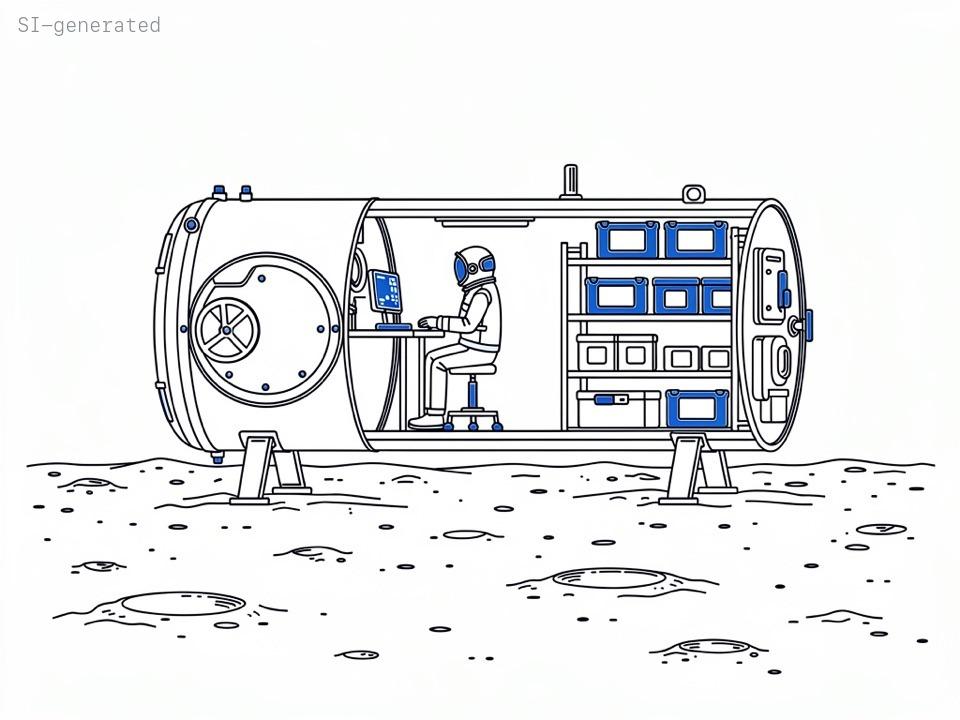
What might burn in it
Where the cabin is
Set your own oxygen and pressure
Start with a cabin
Before you rely on this
Oxygen and pressure are two of the conditions that decide how something burns. Airflow, material and shape matter too, and a test that is close on this page can still differ in all of them. Open a test to read its full record.
Where the 2,143 rows come from, and which are not counted
- 2,143
- rows read from 25 PSI experimental tables, across 24 investigations. Open the data
- 1,666
- have oxygen and pressure for the surrounding atmosphere
- 263
- are inverse flames, where the oxygen value is the stream fed through the burner. They are never counted as close to a cabin
- 19
- report oxygen but not pressure
- 195
- have no oxygen value in their PSI table, so they cannot be placed. Missing means not reported. It does not mean zero.
- SAME-R 109 rowsSmoke-generation tests - samples are heated to produce smoke; there is no flame, so oxygen and pressure are not test variables.
- CLD Flame 32 rowsSession summary - one row per test day. Oxygen and pressure are not listed in the PSI table.
- E-FIELD Flames 21 rowsSession summary - one row per test day. Oxygen and pressure are not listed in the PSI table.
- Flame Design 11 rows
- SAME 8 rowsSmoke-generation tests - samples are heated to produce smoke; there is no flame, so oxygen and pressure are not test variables.
- Cool-flame transitions 8 rowsEach row points to a figure in a publication; the measurements themselves are in the paper.
- DAFT 6 rowsThese tests are not in PSI's experimental table. They were read from other NASA files, which are named on each value.
- SPICE soot analysis, BASS flame-spread modelling, SAME smoke modelling, Cool-flame CFD are modelling and re-analysis studies with no itemized table in PSI.
The drawings of the cabins are SI-generated concept illustrations, not NASA images. Methods and limits